




MARTA ÁLVAREZ
Director of the Addictions, Gender and Families Area at Fundación Salud y Comunidad. General health psychologist specialising in gender-based violence. Master’s in Third-Generation Therapies. Extensive experience as a practitioner and director of services providing care and intervention in gender-based violence. Employment integration worker with people affected by drug dependence. Contributed to the development of guides on intervention in gender-based violence and addictions. Co-author of the Gender Violence Risk Assessment Tool (RVD-BCN). Trainer for the Government of Navarre on gender-based violence; coordinator and lecturer on the Master’s in Intervention in Family Violence (IL3-UB Foundation). Associate lecturer at the UB on the Master’s in Psychosocial Intervention.

GEMMA MAUDES
Psychologist and accredited general health psychologist (COPC no. 8457). Family therapist recognised by the Catalan Society of Family Therapy (SCTF) and associate member of the Academy of Medical and Health Sciences of Catalonia and the Balearic Islands. Postgraduate training: Master’s in Systemic Family Therapy (Hospital de la Santa Creu i Sant Pau – UAB), Gestalt Therapy, Constructivist Therapy, a postgraduate qualification in Forensic Psychological Assessment and EMDR Level I. She also has training in group and team leadership (UAB) and regularly collaborates in supervision processes for professional teams.
With a solid track record in the field of addictions, she has worked at Fundación Salud y Comunidad (FSC) since 1994. She is currently deputy director of the Drugs, Gender and Family Area, coordinating services and projects in both drug dependence and gender-based violence. She has worked in residential and outpatient services and was director of therapeutic flats (1997–2019). She began her career as head of the Prevention Programme at Granollers Town Council.
She takes an active part in sector representation and coordination bodies: she is a member of the Board of the Catalan Federation of Drug Dependence (FCD) and of the Coordinating Body of Therapeutic Communities, Reintegration Flats and Day Centres of Catalonia, where she acts as secretary. She is part of the UNAD Intervention Commission. She has spoken at conferences, seminars and talks, and has appeared on Catalunya Ràdio, TV3 and BTV.

JORDI MORILLO
Psychologist with more than 20 years of experience in mental health and addiction treatment. He holds a degree in Psychology from the Blanquerna Faculty of Psychology and Education Sciences (Universitat Ramon Llull, 1998) and is a licensed general health psychologist, registered no. 12681 with the Official College of Psychologists of Catalonia.
He currently directs the Can Coll Therapeutic Community (Fundación Salud y Comunidad), a leading service in the comprehensive approach to drug dependence. Throughout his career he has combined clinical practice with service management, building an approach centred on therapeutic support and the psychosocial recovery of people with substance use problems.
He sits on the Board of the Coordinating Body of Therapeutic Communities, Reintegration Flats and Day Centres of Catalonia and is an active member of the Spanish Society of Dual Diagnosis, reaffirming his commitment to the continuous improvement of care for addictive disorders and co-occurring mental health conditions.
In academia, he teaches on the “University Expert in Socio-educational Intervention in Drug Dependence” course (Pere Tarrés Faculty of Social Education and Social Work, Universitat Ramon Llull). His profile combines experience, specialised training and a strong vocation for support and social transformation.

SILVIA FREIXAS
A diploma holder in Social Education from the Universitat de Barcelona (2008–2011), training that gave her a solid grounding in pedagogy and socio-educational care. In 2023 she completed the Official University Master’s in Socio-community Educational Psychology at the Universitat Oberta de Catalunya (UOC), specialising in support in mental health and drug dependence, as well as in processes of inclusion and social integration.
Throughout her career she has worked in a variety of socio-educational intervention settings, with a particular focus on supporting people with special educational needs (SEN) and on developing educational proposals and plans adapted to each situation.
She is currently director of the Riera Major Therapeutic Community, run by Fundación Salud y Comunidad, where she leads treatment and support programmes for people with problems related to substance use. She is also a collaborating lecturer on the Social Education degree at the Universitat Oberta de Catalunya, where she shares her professional experience with the new generations of social educators.

SANDRA GASCA
Psychologist with a degree from the Universitat Ramon Llull (1999), general health psychologist since 2014 and registered with the COPC (no. 22500). She has extended her training with a postgraduate qualification in Art Therapy (Centro de Estudios de Arteterapia Metàfora, 2012) and specialist training in trauma work: interhemispheric glasses (2022), the biographical approach “The meaning of your life story” (2021) and an introduction to the Internal Family Systems (IFS) model (2022).
Since 2022 she has been a psychotherapist in the Psychological Care Service of Fundación Salud y Comunidad (FSC), where she sees people with addictions and other psychological disorders on an outpatient basis, in individual and family therapy. Since 2009 she has coordinated the “La Crisàlide” Day Centre, a service specialising in supporting people with addiction problems, promoting change, recovery and social integration.
She began her career in 2001 as an instructor and educator in the Foundation’s Social and Employment Workshop, working with people in rehabilitation through interventions focused on therapeutic support and personal and occupational autonomy. Her profile combines clinical and community work, with a creative, humanistic approach geared towards lasting change.

MAITE SOLER ALCAIDE
General health psychologist (COPC) with a degree in Psychology from the Universitat de Barcelona (1999) and extensive experience in mental health, addiction and psychotherapeutic intervention. She holds a Master’s in Systemic Family Therapy (Hospital de la Santa Creu i Sant Pau – UAB, 1999–2003) and postgraduate training in ontological and transformational coaching and in human resources management. Specialising in behavioural addictions (UB–IL3 postgraduate course, 2019–2020), she has incorporated innovative techniques such as EMDR (Spanish EMDR Institute, 2023) and trauma work with interhemispheric glasses (2022).
Since May 2022 she has headed a Psychological Care Service. She has been part of the Psychosocial Care Service since 2003, where she provides individual, family and group psychotherapy, and since 2019 she has coordinated a Behavioural Addictions Care Service. Her experience in drug dependence began in services such as therapeutic flats and therapeutic communities, combining clinical work and management.
In teaching, she was an associate lecturer at the Universitat de Barcelona (2014–2017), in the Department of Behavioural Science Methodology, and has trained Third Sector professionals since 2007. She is a member of the Spanish Federation of Family Therapy Associations and holds accreditation as a Specialist Psychologist in Psychotherapy from the European Federation of Psychologists’ Associations. She takes an active part in the Behavioural Addictions Commission of the Catalan Federation of Drug Dependence.

ALÍCIA CLOTET
Psychologist with a degree from the Universitat de Barcelona (1989–1994), registered with the COPC (no. 8278) and a general health psychologist since 2014. She holds a Master’s in Systemic Family Therapy (Hospital de la Santa Creu i Sant Pau – UAB, 2002–2006) and a postgraduate qualification in Forensic Psychological Assessment (ISEP, 1997).
She has built up a specialism in trauma and addictions, completing EMDR training (2019–2023) and incorporating emotional release techniques (tapping) and integrative approaches such as the Internal Family Systems (IFS) model. She has specific training in working with adults who have experienced sexual assault and in trauma work from a biographical and neuropsychological perspective, including the use of interhemispheric glasses.
Since 2006 she has been an individual, family, couples and group therapist in the Psychological Care Service (SAP) of Fundación Salud y Comunidad, focusing her work on addictions and other psychological disorders. Since 2015 she has run a therapeutic flat for people with addiction problems, and she was previously a psychologist at the Riera Major Therapeutic Community (2009–2015), a service specialising in substance use disorders and dual diagnosis.
Between 2001 and 2009 she ran, and worked as a psychologist in, a programme for people with drug dependence in the prison setting, specifically the flat for prisoners and former prisoners at “La Modelo” Prison. She began her career as an educator in a day centre (1996–2001), establishing a lasting commitment to psychosocial care and reintegration.

LÍDIA JIMÉNEZ
A graduate in Social Education from the Universitat de Girona (2009–2013), she has focused her career on addictions and therapeutic support. Between 2015 and 2018 she completed training in systemic family therapy at the Centre d’Estudis Sistèmics de Girona, building an approach to intervention centred on family and relationship dynamics. She also holds a Master’s in Social and Community Intervention (2015–2016) from the Instituto Superior de Intervención y Acción Social de Galicia, which adds a community perspective to her professional practice.
She is currently coordinator of a therapeutic flat for people with addiction problems at Fundación Salud y Comunidad. Her work combines managing the service with direct intervention, taking a holistic perspective that promotes the recovery, personal autonomy and social integration of the people she supports.
She is an associate lecturer in the Department of Pedagogy at the Universitat de Girona and has contributed to the book Personas, drogas y otras compañeras de viaje with the chapter “Yo solo quiero un hijo normal”, and to El sinhogarismo como patología dual with “Aquí me siento como en casa”, both published by Editorial Documenta Universitaria. In this way she brings together her interests: direct intervention, the training of new professionals, reflection and writing.

MIRIAM OVEJERO
Lawyer and economist (Universitat Autònoma de Barcelona, 2014), specialising in Criminal, Employment and Tax Law. Master’s in Taxation (Universitat Oberta de Catalunya, 2018). Postgraduate qualifications in Criminal Law and in Employment Law (Illustrious Bar Association of Barcelona, 2020) and Specialist Master’s in Criminal Law (2024). Specific training in gender-based violence, juvenile jurisdiction and the Jury Court (ICAB).
Practising lawyer on the legal aid duty rota for Criminal, Gender-based Violence and Juvenile cases. Lecturer in Employment Law at the Fundació Universitat Autònoma de Barcelona (FUAB) and teaching collaborator in Criminal Law at the Escuela de Prevención y Seguridad Integral, as well as on the Master’s in Drug Dependence (UB-IL3). Advises administrative agencies and consultancies. Coordinator of the Master’s in Drug Dependence UB-IL3.
Since 2013 she has taken part in various projects of Fundación Salud y Comunidad (FSC): administration and management of applications at the Picasso Project; legal adviser in the “Amb Tu” support service for people with a mental health diagnosis in exercising their legal and social capacity; legal adviser and coordinator of the Servei d’Informació i Assessorament a Dones i Servei d’Atenció Integral (SIAD-SAI) in Pineda de Mar; co-director of the Riera Major Therapeutic Community; and, currently, collaboration with the Area 2 Management.

MACARENA ZURANO
Psychologist with a degree from the UNED (2007), specialising in Industrial Psychology, registered with the COPC (no. 24355). She has extended her training with postgraduate qualifications in Criminal Forensic Psychological Assessment (UAB, 2015–2016), Civil, Family and Employment Psychological Assessment (UAB, 2016–2017) and Human Resources Management (UAB, 2007–2008).
Since 2010 she has worked as a psychologist in the Admissions Department of Fundación Salud y Comunidad (FSC), where she carries out assessment interviews with patients and families for residential addiction treatment centres. Her work includes assessing therapeutic suitability and coordinating with public and private drug dependence services across Spain, ensuring care pathways tailored to each case.
Between 2008 and 2011 she was part of the organisation’s Human Resources Department as a recruitment psychologist. Previously, between 2005 and 2010, she worked in an employment integration service for women who are victims of gender-based violence, within the EAD programme of Barcelona City Council, combining psychosocial intervention, empowerment and support towards employment.

LAURA SANGÜESA
General health psychologist (COPC no. 8600), with a degree in Psychology from the Universitat de Barcelona (1995). Postgraduate training includes a Master’s in Drug Dependence (UB, 1998) and a Postgraduate Diploma in Cognitive-Social Therapy (2001), along with continuing training in psychotherapy from a gender perspective, third-generation therapies, trauma intervention and behavioural addictions.
She began her career in 1995 in the field of addiction, as an individual and group psychotherapist at the Instituto Murcia-Valcárcel (Barcelona), which specialises in the treatment of alcoholism. Since 1997 she has been part of Fundación Salud y Comunidad (FSC), where she has carried out extensive work as a clinical psychotherapist with individuals, families and groups. She currently coordinates the Psychosocial Care Service (SAP), a service focused on the treatment of addictions and other psychological disorders, combining evidence-based, gender-informed and comprehensive mental health approaches.

LORENA RODRÍGUEZ
General health psychologist (COPC no. 17916), with a degree in Psychology from the Universitat de Barcelona (1999) and accredited as a general health psychologist since 2014. She has extended her training with a University Expert Diploma in Psychological Disorders in Children and Adolescents (UNED, 2017), a postgraduate qualification in Couple and Family Therapy (Fundación Vidal y Barraquer, 2002) and a Master’s in Systemic Family Therapy (Family Therapy School of the Hospital de Sant Pau, 2007). She also has specific training in alcohology for psychologists, delivered by the Sociedad de Toxicomanías.
Since 2008 she has worked as a psychotherapist in the outpatient service of Fundación Salud y Comunidad (FSC), where she carries out individual and group interventions in the field of addictions and other psychological disorders. Between 2007 and 2016 she was in charge of admissions to the organisation’s residential therapeutic communities specialising in drug dependence, managing access and case assessment.
She began her career as an educator in a reintegration flat for people with addiction problems (2002–2008), during which time she also temporarily took on coordination of the service: she led the therapeutic team, ran family and service-user groups and liaised with other care services. She has training and experience in individual and group therapy for addictions, as well as in intervention in domestic violence.

ALEJANDRO RIVERA
General health psychologist (COPC no. 18736), with a degree in Psychology from the Universidad de Belgrano (Buenos Aires, 2001). He completed his training with a Master’s in Systemic Family Therapy at the Hospital de la Santa Creu i Sant Pau – UAB (2002–2006) and has held health accreditation since 2014.
Since 2007 he has worked as an individual, family, couples and group psychotherapist in the Psychological Care Service of Fundación Salud y Comunidad (FSC). Throughout his career he has built solid experience with expatriates, addressing the emotional, relational and adjustment challenges that come with the migration process; he has also worked for years with English-speaking patients, bringing intervention into multicultural contexts.
Between 2006 and 2022 he worked in a range of therapeutic services — day centres, therapeutic communities and outpatient services — in the public and private networks, specialising in addictions and other psychological disorders. For more than a decade he ran gender groups within a therapeutic community, strengthening a psychosocial approach with an equality perspective.

JORDI FERRER
Psychologist with a degree from the Universitat Oberta de Catalunya (2014), registered no. 24494 with the Official College of Psychologists of Catalonia. He has extended his training with EMDR at the Spanish EMDR Institute (2023) and in trauma work with interhemispheric glasses (2022). He has also specialised in the intersection of sexual health and drug use (chemsex) through training at the Instituto de Salud Carlos III (2021).
In complementary therapies, he holds the Expert Course in Clinical Hypnosis (Universitat de Barcelona, 2017) and a postgraduate qualification in Sex and Couples Therapy (UB, 2014–2015). He has training in Gestalt Therapy (Instituto Gestalt, 2002–2005) and has been a Practitioner in Neuro-Linguistic Programming (NLP) since 2004.
Since 2016 he has worked as a psychotherapist in the Psychological Care Service of Fundación Salud y Comunidad (FSC), where he provides individual, family, couples and sex therapy, as well as running outpatient groups. He treats addictions and other psychological disorders, with services focused on relapse prevention, social skills development, employment integration, group cohesion, relaxation and family support. Between 2000 and 2015 he was an educator at the FSC Urban Therapeutic Residence, leading groups geared towards social reintegration, with particular attention to functional recovery and the maintenance of abstinence.

MARTA NADAL
Registered psychologist (COPC no. 13931), with a degree in Psychology from the Universitat Ramon Llull (2003) and accredited as a general health psychologist since 2014. Her profile is completed by a Master’s in Clinical Adult Psychopathology from the Universitat Autònoma de Barcelona (2004–2006) and extensive training in the theory and practice of Lacanian psychoanalysis, undertaken at the Institute of the Freudian Field – Europe (2009–2014). She has taken an active part in the Barcelona Clinical Section, linked to the World Association of Psychoanalysis, and in the Seminar of the Freudian Field.
Since 2005 she has worked as a clinical psychologist, specialising in the diagnosis and treatment of mental disorders, with a solid track record in addictions. She has worked in the public and private sectors, in outpatient addiction care and follow-up centres (CAS), therapeutic communities, day centres and outpatient services. She also has experience in eating disorders (ED), bringing a psychodynamic approach that explores psychological distress and subjective processes in depth.

ISABEL VELÁZQUEZ
Clinical psychologist (COPC no. 7588) with extensive experience in therapeutic intervention. A family therapist trained at the Family Therapy School of the Hospital de Sant Pau, with formal training in working with young people with behavioural problems, which enables her to take a specialist approach to complex situations in adolescence and within the family.
She has worked as an individual, family and group psychotherapist, with interventions focused on emotional support, improving relationship dynamics and treating a range of psychological disorders. Her practice brings together complementary methodologies within a holistic perspective adapted to the needs of each person and family system, promoting lasting change and recovery.
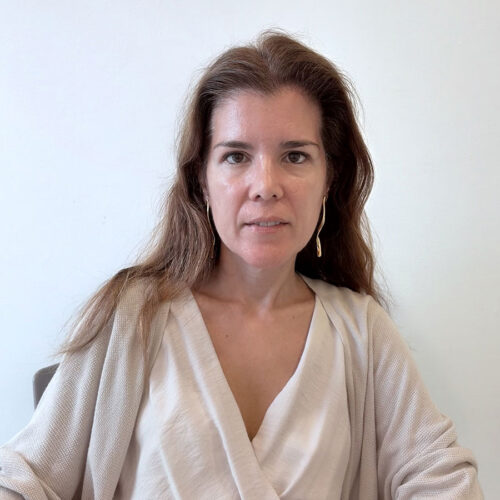
CARLA HERNÁNDEZ
Psychiatrist, Col. no. 40196. Degree in Medicine in 2005 from the UAB, specialised in Psychiatry at Hospital General de Manresa since 2010. Over recent years she has worked in the field of addictions, as well as in dual diagnosis and other severe mental disorders. She works in both the public and private sectors.
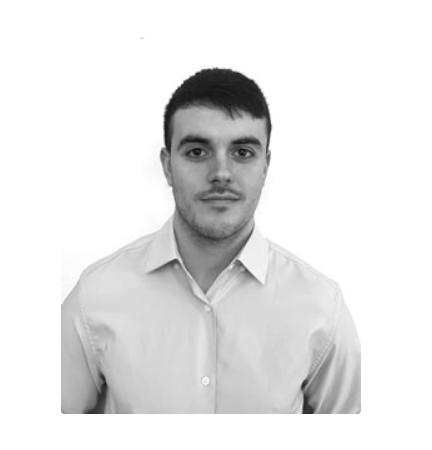
MIQUEL GIRÓ
Psychologist. Master’s in General Health Psychology from the Universitat Autònoma de Barcelona.Training in cognitive behavioural therapy. Master’s in Third-Generation Therapies. Expert course in suicidal behaviour prevention and intervention. Specialisation in EMDR.